The best ways to keep your hands safe while cutting firewood

The best way to cut firewood is to be patient. You should try to keep your arms relaxed while you're doing this. It would help if you didn't raise your arms above your head while cutting. It would be best if you also kept your wrists straight.

The best way to cut firewood is to be patient. You should try to keep your arms relaxed while you're doing this. It would help if you didn't raise your arms above your head while cutting. It would be best if you also kept your wrists straight.
keep your hands safe while cutting firewood

There are many types of knives that can be used to cut firewood. You can make sure that you use a sharp knife. The kind of knife you use should be the kind that is comfortable for you to use.

Make sure that you are wearing protective gloves. It would help if you didn't handle a knife without wearing protective gloves.

When you cut firewood, make sure that the wood is properly seasoned. This means that you should only use wood that was split already.

5 Ways to Keep Your Hands Safe When Cutting Firewood

You can do a few simple things to keep your hands safe when cutting firewood. Stay vigilant, wear protective gear, and make sure the wood you're using is properly seasoned. Here are some tips to help:

You can do a few simple things to keep your hands safe when cutting firewood. Stay vigilant, wear protective gear, and make sure the wood you're using is properly seasoned. Here are some tips to help.
Ways to Keep Your Hands Safe When Cutting Firewood

1. Wear the Right Safety Gear

The most critical step in avoiding injuries when cutting firewood is to wear the right safety gear. It includes protective eyewear, boots, gloves, and a face mask. The face mask will filter out dust and larger particles, while the gloves protect your hands from scrapes and cuts. Also, wear work clothes that you don't mind getting dirty or worse.

2. Choose Quality Tools

Make sure your saw runs smoothly and cuts where it should work with minimal effort. Use quality tools such as a saw blade sharpener and a good filing tool to keep blades from gumming during low-grade sawing activities. The higher the quality of the blade and sharpening tools you have on hand, the safer (and smoother!) your job will be.

3. Avoid Kickback

The cutting material binds, resulting in Kickback or pinches against the back of the chainsaw bar or guide bar as it enters or exits. Each cut into a log by 'kicking' up into your shoulder at an alarming rate of speed, risking injury to both arms in an uncontrollable manner if not careful.

To reduce potential Kickback, use good form when applying force to firewood. Always strive for the proper balance between power applied using wrists/arms and to keep steady control as you move through each cut line along logs efficiently.

4. Don't Overreach

When dealing with large logs while cutting down, firewood often becomes difficult to manage in tight spaces, which require additional power reaching over your limits, holding with both arms (on either side), and grasping handles firmly throughout all cutting/sawing activities.

Hence, you stay balanced as potential kick-up from logs contact below carries all errant motion forward hard (not onto your body). This same sense of control is critical to staying safe no matter how sized wood pieces are handled!

5. Take Breaks Often

It's easy to get carried away when working outdoors, but sufficient rest periods are essential for preventing fatigue-related injuries and working smarter, not harder!

In conclusion, here are final five tips to keep your hands safe when cutting firewood:

1. Wield the saw with proper technique and always wear appropriate safety gear.

2. Stay aware of your surroundings and avoid contact with the blade.

3. Keep an eye on the cut line and ensure it's straight before continuing.

4. Choose a safe, dry location to store the wood.

5. Take your time and be careful not to slip and fall.

How to Choose the Perfect Blade for Woodworkers: Advice from Pros

The right tools are crucial for completing your projects well. A great woodworking tool is an essential part of any project you do. If you want to create beautiful furniture, you'll need a good woodworking blade. Woodworking blades come in many different sizes and materials. If you use the blade to make wooden furniture, the type of wood you use will also affect the blade you need.

The right tools are crucial for completing your projects well. A great woodworking tool is an essential part of any project you do. If you want to create beautiful furniture, you'll need a good woodworking blade. Woodworking blades come in many different sizes and materials. If you use the blade to make wooden furniture, the type of wood you use will also affect the blade you need.
Blade for Woodworkers

Before you look for a specific type of woodworking blade, you first need to figure out what type of project you plan to do. Here are a few easy ways to decide which blade is the best for you.

5 easy ways to choose the best blade for woodworking Projects

The perfect blade for woodworkers is an important decision that depends on the type of woodworking you are doing and your preferences. Here are five easy ways to choose the perfect blade for your next project:

1. Understand Your Needs

First, you need to understand the material you are working with. Many types of wood can be used to make woodwork projects. The choice of wood will depend on the nature of the project and your preferences. You should first choose the type of wood before you buy the tools to work with it. It is important to know your needs first, as you can ensure you buy the right tools for the job.

2. Consider Ability Level

Once you have decided which wood you will use, consider your ability level. This will also help you narrow your search for the perfect blade. If you are new to woodworking and want to try something new, you might not need anything too fancy.

On the other hand, if you are experienced, you may need to spend more money. It would help to look for quality blades that can handle the job you want them to do.

3. Check Material Thickness

It is also good to consider the thickness of the wood. This is very important as you must ensure that your woodworking blade can work smoothly and efficiently on this material.

4. Quality vs. Cost

The ideal woodworking blade should be high quality, durable and easy to use. To buy the perfect blade, you should consider these two main factors: price and durability.

Blade price: Before buying a new blade, you must know the price of the product you intend to buy. You can avoid spending too much on it because some expensive tools may be cheaper than others. You can buy the cheapest blades but remember that cheap blades may cause serious damage to your tools.

Cheap blades may break quickly and sometimes make your work harder, more difficult and more time-consuming. Cheap blades may also last for a short time because they are made of inferior materials. So, it's better to buy a more expensive and reliable blade.

Blade durability: A blade should be durable enough to withstand the pressure you apply while using it. The most durable woodworking blade should also be easy to sharpen. A durable blade should last for many years. It should also hold its edge when cutting and be easy to maintain.

A high-quality blade is costly, but it's worth the cost. Some of the high-quality woodworking blades cost over a hundred dollars.

5. Length and Weight

Check for the length and weight of the blade. Ensure the blade is long enough and thick enough for your needs. It could get damaged if it needs to be longer, while the blade may be too thin, and you may not be able to use it for the woodworking you need. The size and weight of the blade are also important factors to consider when buying the best blade.

In conclusion, there are many factors to consider when selecting a blade for woodworkers. However, some key things to keep in mind include the type of woodworking being done, the tools you will be using, and the desired results. With these tips, you can make the right choice for your next project.

Ridgid vs Dewalt: Which Tool Is Better For Improved Carpentry?

Which Tool Is Better for Improved Carpentry? There are two brands of tools you can use to improve carpentry. These are the Ridgid and Dewalt. Both of these tools will help you to improve your carpentry. However, you need to make sure you choose the best tool for your needs. First, you should look at which tool is easier to use.

There are two brands of tools you can use to improve carpentry. These are the Ridgid and Dewalt. Both of these tools will help you to improve your carpentry. However, you need to make sure you choose the best tool for your needs. First, you should look at which tool is easier to use.
Ridgid vs Dewalt

It is important because you are going to spend a lot of time using your tools. You will need to make sure you use them for many years. You should consider which tool is more durable. This will give you many years of service without needing to replace the tool. Consider the quality of the tool.

Get advice on which tool is best for you

Ridgid vs Dewalt tools are both popular because they offer a variety of features and options, but they have different ease-of-use metrics. Here are five pieces of advice on which might be the best option for you.

1. Quality & Durability

Ridgid and Dewalt's tools are known for their solid construction and high-quality materials. Regarding durability, Dewalt is often cited as the more reliable choice since its tools are made with thicker metals than Ridgid. However, this doesn't mean that a Ridgid product isn't sturdy and long-lasting—it just means that a mechanical tool made by  Dewalt may last longer.

2. Product Range

Although both manufacturers offer an extensive selection of products, Dewalt offers a far larger variety compared to Ridgid. For instance, you can find Dewalt cordless saws and drills, while a Ridgid product line consists only of stationary tools such as table saws and routers.

3. Ease of Use

Ease of Use is another aspect to consider when comparing the two brands. While both brands can provide durable, quality tools, users suggest that those from Dewalt are usually easier to learn how to use properly due to more straightforward designs and smoother overall operation.

4. Cost

When it comes down to cost, Dewalt usually has the advantage over Ridgid in most cases (though exceptions exist). This is mainly because certain Dewalt products have more features than comparable models from other brands—allowing you to save money in the long run if you plan on using them heavily or if you don't need all the bells and whistles offered by more advanced models like the ones from Ridgid's lineup.

5. Warranty Coverage

Last but not least, be sure to check out the warranty coverage provided by each company before making your decision on which brand best meets your needs! Both companies provide fairly similar coverage periods, but depending on where you buy your tools, one may offer better terms than another, so make sure you read up before splurging on any machine!

In general, both manufacturers provide coverage for up to three years with registration, so even if things go wrong after purchase, you should be able to take facilities of some form of protection supplied by either brand!

In conclusion, deciding which tool is better for improved carpentry is crucial. Ridgid vs Dewalt may seem like a close choice, but some key differences can make the difference. Make sure to compare the features of each tool before making a decision!

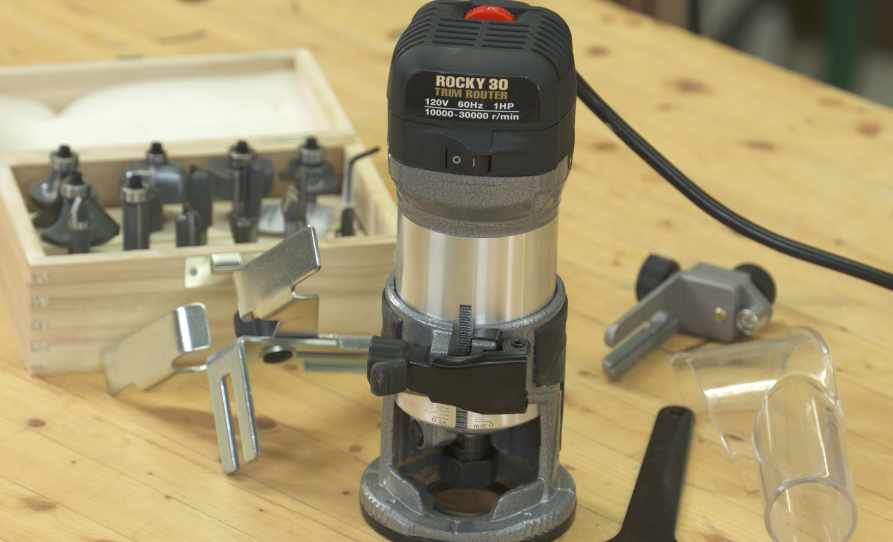
Woodworking Tips: The best ways to use a wood router saw

Woodworkers have many options when it comes to their sawing needs. One option is to use a wood router saw. A router saw is an excellent tool for learning how to use a saw in a variety of ways. Using a router saw, you can improve your skills while creating beautiful pieces of furniture and other wood items.

A router saw is an excellent tool for learning how to use a saw in a variety of ways. Using a router saw, you can improve your skills while creating beautiful pieces of furniture and other wood items.
Wood Router Saw Tips

5 Helpful Tips for Learning How to Use a Wood Router Saw

Woodworking can be a fun and rewarding project, but it can also be quite challenging. Here are some helpful tips for learning how to use a wood router saw.

Woodworking can be a fun and rewarding project, but it can also be quite challenging. Here are some helpful tips for learning how to use a wood router saw.
Learning How to Use a Wood Router Saw

1. Read the Manual

Before even powering up your wood router saw, take the time to read through the instructions in the manual. Carefully learn how to set up and use the machine, as this is essential for staying safe when using a new tool. Familiarize yourself with safety features like guards and guards for cutting edges included on your saw before attempting any routing tasks.

2. Use Sharp Blades

The more precise you need your cuts to be, the sharper your blades must be. Make sure to select sharp blades for whichever type of job you are about to perform so that you don’t end up with jagged or uneven edges in your finished product. Also, consider investing in high-quality blades from reliable brands.

3. Practice Makes Perfect

It can be very tempting to skip this step and jump right into cutting wood with your new wood router saw, but it is important to be moderate, especially at first. Take some scrap pieces of wood and run through some practice cuts before moving on to an actual crafting project or detailed working piece of furniture — it will save you a lot of headaches if something goes wrong!

4. Go Slow

Router saws move quickly and can effortlessly create deep cuts into the material if they aren’t operated carefully. Remember to always go slow and steady with your cut until you become accustomed to how much force you need to apply when using this type of saw. Alternatively, find a router speed controller to adjust speeds accordingly and keep tight control over whatever projects you’re undertaking!

5 Take Breaks

It's important to take breaks between lengthy jobs when operating a power tool like a wood router saw, as it reduces the risk of accidents and fatigue in home workshops and industrial settings.

In conclusion, those looking to get the most out of a wood router saw should be familiar with the different ways they can be used. With this knowledge, they can make the most of their saw and achieve desired results.

How to safely use a table saw: 5 things to help ensure safe, successful use

Before you start a woodworking project, make sure you have everything ready. Ensure you have all the tools you need in the right places.

How to safely use a table saw: 5 things to help ensure safe, successful use
Safely use a table saw

It would be best if you also took some time to read up on how to properly use a table saw. A table saw can be handy, but it should be used with care. You can cut wood using a table saw in many ways, including crosscutting, ripping, and slicing.

Before you start a woodworking project, make sure you have everything ready. Ensure you have all the tools you need in the right places.
Table saw

For example, you can make crosscuts by moving the fence and making the cuts you want simultaneously. You can also do straight cuts by moving the blade to the left or right until you see the cut you want. There are guides you can use on a table saw to help you make accurate cuts.

5 things to keep in mind when using a table saw

5 things to keep in mind when using a table saw
Tips for using your table saw

There are five simple steps to take when using a table saw. If you follow these steps, you will get great results. These steps are very easy to follow, so it should be easy for you to learn how to use a table saw. Here they are:

1. Safety

Table saws can be very dangerous, so safety should always be your top priority. Wear protective eyewear and use the appropriate saw blade for the job. Make sure your workspace is clean and well-lit, and familiarize yourself with your table saw's features before working with it.

2. Proper Setup

It's important to make sure you have a good setup before you start cutting wood with your table saw. Ensure the blade is properly aligned and secured to the table, as well as that all knobs are tight and guards are affixed correctly. Check to ensure the rip fence is parallel to the blade before beginning your cut.

3. Use Push Sticks

Using push sticks at all times will keep your hands away from the blade and help you better control the material being cut. Cutting with two hands close together can cause a kickback which could injure or even amputate a finger if not adequately guarded against. A band saw is also helpful for making small, delicate cuts when needed.

4. Setting Blade Height

Setting your table saw's blade height too low can cause kickback, so finding the right height saw blade router combo for each piece of material you're working with is crucial. Depending on the material you're cutting, you may need to raise or lower the blade accordingly to maximize your cut results without risking injury from kickback or other accidents due to improper usage or unsafe conditions within your workspace environment.

5. Maintenance

Caring for and maintaining your table saw will help keep it running smoothly and safely for years to come: regularly changing out blades as needed; cleaning surfaces after every use; checking fences and boards for any damage that might affect accuracy; lubricating joints; checking alignments; tightening screws as needed; stock blades in proper holders away from dust etc.

These preventive maintenance tasks will considerably prolong a Table Saw's life, helping to keep those around safe while operating.

In conclusion, it is important to always be safe when using a table saw. By following these tips, you will be able to stay safe and enjoy your project.

5 Useful Tips for Improving Your Wood Router Table Performance

If you're looking to improve your wood router table performance, here are a few tips to help you get started. First, keep your work area well-lit and free of dust so that your machine can run more efficiently. Second, ensure your bit is properly fitted to the router table and the blade is sharpened correctly. Finally, learn how to use your machine's various speed settings to achieve the desired results.

5-Useful-Tips-for-Improving-Your-Wood-Router-Table-Performance

Make the most of your router table with these 5 tips

If you're like most woodworkers, you probably use your router table to cut various shapes and sizes out of various types of stock. But if you're looking to improve your router table's performance, here are five tips to consider.

1. Use a good router table

A woodworking tool known as a router is used to cut out shapes from wood, plastic, and metal. A router consists of three major components: a base, a motor, and a bit. There are many different types of routers like circular, plunge, and jig-style routers, each having its unique features. Before purchasing any accessories, you need to know what kind of router you have.

2. Make sure to use a quality router table

You want a solid work surface that is strong enough to hold much weight without buckling under pressure. One option is a plywood table with doweling holes drilled at specific intervals. Another option is a composite table that looks just like natural wood. You may even find some tables with a veneer finish so they look like real wood. Just make sure to get a router table that fits your needs perfectly.

3. Choose the right router bits if you have one

If you do not already have a router, then choosing the correct bits is a big decision. There are several kinds of bits, from straight to spiral bits. When selecting the bits, consider how often you plan to cut the material. Also, consider the type of material you’re working with and its thickness. Spiral bits are best suited for cutting thick pieces of wood, while straight bits work well for thin pieces of wood. If you have a router, choose a standard cutter that suits your intended usage.

4. Clean your bits regularly

Bits become dull over time. As a result of normal wear and tear, bits tend to clog and become slow to produce accurate cuts. To prevent this from happening, clean your bits regularly. A basic cleaning routine involves wiping them down with a rag dipped in rubbing alcohol. Afterward, apply mineral or cutting lubrication oil to improve performance. Always start with a small amount of lubricant, wait until the machine starts moving again before increasing the concentration, and test for safety first. Never use solvents on your tools.

5. Keep track of your router uses

The number of times you use the router is directly related to your skill level. Every time you use it, whether it’s to create something or simply to maintain your current project, you should keep score. At the end of each day, tally up the total number of hours spent using the router and record it somewhere safe. By doing this, you’ll start to notice patterns. Once you start noticing these trends, you’re ready to take action and get better!

Final Thoughts

In conclusion, following these five tips will help you improve the performance of your wood router table. First, make sure the surface you are using is properly prepared. Second, use a firm grip when operating the router. Third, use a slow speed and a small blade when routing. Fourth, keep your work area clean and free from debris. And fifth, take regular breaks to prevent fatigue.

How to round wood edges

There are a few different ways to round wood edges. One is to use a router with a flush-cutting bit. This method is best for clean, sharp edges. Another is to use a chisel or coping saw to create a gradually rounded edge. This approach is more forgiving and works well for edges that are not as clean or sharp. There are also sandpaper pads that can be used to create a smooth finish. Accurately rounding wood edges can be a challenge. Here are five simple steps to help you get the most accurate results:

How-to-round-wood-edges
Image Source: Flickr.com

Five simple steps for rounding wood edges accurately

1. Use a table saw

A table saw is the best tool to round edge pieces without using any power or hand tools. It's much faster than cutting them out by hand, and you don't need special tools to do the job. One thing to note about a table saw is that it will make quite a bit of noise while wood cutting or curving.

2. Start slowly

Start slowly at first. If you try to cut a thick piece of wood, you'll have to spend time getting your technique down before moving on to bigger things. It takes some practice to get comfortable with the movement of the blade, and if you're starting, take your time.

3. Measure twice

The last thing you want to do is measure once, put the measurement mark on the board, and go ahead and cut. Then when you realize something went wrong, you'll have to start over again. Make sure you double-check the measurements before you get started.

4. Take your time

Depending on the type of wood you're working with, it may take between 15 minutes to half an hour to finish a project. I recommend taking your time, especially if you're making a significant change in shape.

5. Sand smooth

After cutting everything out, use a sanding block (or a regular old belt sander) to remove rough spots and fill in gaps. You might not think it looks perfect, but it should look great after you seal and paint it!

Final Thoughts

In conclusion, rounding wood edges can be a challenging task. However, with these five simple steps, you can achieve accurate results every time. So don't be afraid to try it – it might just be the perfect finishing touch on your project!

7 Ways to Improve Your Woodworking Skills With Simple Techniques

If you're looking to enhance your woodworking skills, there are a few simple techniques you can employ to get started. By using these tips, you'll be able to create projects of all shapes and sizes without difficulty. Here are five tips to help you get started:

7 Ways to Improve Your Woodworking Skills With Simple Techniques

7 Ways to Improve Your Woodworking Skills

1. Know What You Are Cutting Beforehand

Know what you are cutting before hand instead of trying to make things fit together after they have been cut apart. Learn how wood moves and behaves while you work on projects. If you feel that the piece of wood isn't quite right, try to manipulate it until you find a comfortable position.

2. Be Aware Of Gravity

Gravity is something we don't think about much, but it actually affects us each day. When working with wood, pay attention to gravity. Look at how objects move around and how weight changes throughout the different parts of your project. Understanding gravity helps you avoid accidents and mistakes.

3. Use Tools To Their Full Potential

The best way to master any skill is by using tools correctly. Not only does proper use give you greater control over the tool, but it also makes the job go faster and easier. Take time to learn the correct uses of tools and their capabilities; if you do not know how to do something with a certain tool, ask someone who knows how to help you out.

4. Experiment And Observe

If you want to get good at anything, you must practice, experiment, observe, and adapt. Practice means repeating an action enough times to perfect it. Experimentation requires you to change something about a task, check whether it works, and modify it accordingly. Observation is learning from others or observing yourself doing tasks. Adapting involves changing the method of performing a task based on Feedback.

5. Keep On Improving Yourself

To improve yourself, you must constantly strive to become a better person. While you may never reach perfection, there is always room to improve. If you keep getting better at something, eventually, you will stop making errors.

6. Get Help From The Internet

When you get stuck, turn to the internet for answers. There are tons of websites online that share step-by-step instructions and tips to help you craft amazing pieces. Use these sites to figure out how to complete a specific task; once you understand the basics, you should be able to apply those skills to many different projects.

7. Give Feedback

Giving Feedback is extremely helpful when training people and developing relationships. Make sure to let others know what you think they did well and where improvements could be made. Don't forget to give honest Feedback. Being truthful can build trust between you both and eliminate jealousy.

In conclusion, these simple woodworking techniques can help you improve your skills and craftsmanship. So get out there and start woodworking! Here are some tips to get you started: First, try learning a few basic woodworking tools and techniques. It will help you better understand the process and make more accurate pieces. Secondly, focus on making things that are useable or beneficial. It can help you build confidence and show off your workmanship.

7 Simple tips for carving with your wood router

If you're new to wood carving and don't have a router, now is the time to start! This simple guide will teach you the basics of using a router to create beautiful furniture, cabinets, and more. Whether you're using a handheld or table-mounted router, here are 7 simple tips to get started:

7 Simple tips for carving with your wood router

Simple tips for carving with your wood router

1. Use a sharp bit

The first thing to ensure you get the best results is using a sharp bit. Sharp bits are much easier to handle than dull bits because they are faster at cutting through hard materials. An excellent tip to remember is to always use a piece of sandpaper wrapped around the shank (the metal rod) of your router bit. Sanding down the bit keeps it clean and sharp so that you don't have to worry about any residue getting stuck in your machine.

2. Make cuts straight

When trying to make vertical cuts in wood, try not to cross them. Crossing the cut line can create gaps where moisture can get trapped and cause warping. If you're doing some decorative work, these small holes in the surface may appear after drying out, which could look bad. Try to avoid having horizontal cuts, either. Doing so will encourage the wood to buckle and warp.

3. Cut slowly

When creating a curved shape, try slowing the speed of your router bit. When you put pressure on the trigger, your bit starts moving fast. However, if you hold off pushing down on the trigger and let go of the table, your bit will start turning slower. As soon as the bit starts moving again, press down sharply and repeat until you reach the desired shape.

4. Use soap

Aspirin works well for cleaning your bit, but anything with lye should be avoided when it comes to wood. Lye is toxic and can damage the finish on wooden surfaces. Instead of lye, use dish soap or vinegar mixed with water. Pour some soap into your water container, so you don't need to clean up after yourself every time you use it.

5. Keep the tool dry

Wet tools tend to slip and slide around while you're working. To prevent this, take care to keep your tool dry. Spray down excess moisture before and after each project. Also, damp hands increase the risk of slipping and sliding, so wash them regularly. A great way to do this is to scrub them thoroughly under warm running water.

6. Don't over-tighten

If you want your cuts to stay tight, you'll need to ensure that you aren't applying too much force. Too much force causes parts of your material to break away instead of being cut. If you feel tugging, you probably applied too much pressure and should stop tightening. Once things become loose, it's time to back off and apply less pressure.

7. Go slow

Even though you might think you know how to carve something, learning is still meaningful. Practice makes perfect! Take your time when learning. Don't hurry through tasks. Be careful and deliberate. After a while, you'll find yourself automatically adapting and becoming more familiar with the process.

Conclusion

In conclusion, these 7 tips must help you become a better wood router user. Keep them in mind when carving, and you'll be on your way to some impressive results!

Importance of plunge router for furniture making

In furniture making, a plunge router is an important tool. It is used to make the profiles of the wood pieces. This is done by cutting the wood into thin strips and placing them onto a router's base. The strips are then turned around so that they fit in the grooves made in the router.

Importance of plunge router for furniture making

This article is about the importance of a plunge router for furniture making, and what types of projects can be done with it.

What is a plunge router?

Pursuing the perfect home router is a daunting task, but with a few key features in mind, you can find one that will suit your needs. A plunge router is designed to be inserted into a wall or ceiling and then used as a handheld tool to connect various devices. Its fast speeds and easy-to-use interface make connecting devices a breeze.

How to use a plunge router

It is important to be very careful while using a plunge router. It would help if you only let the wood pieces rest on the plunge table. Make sure you use the correct settings for the different shapes you have created. You can turn the wood pieces until they reach the desired thickness. When you're finished with one piece, it's time to move on to the next. While making wood parts, you should keep in mind that it will take several hours to finish them. The time depends on the thickness of the wood. For thicker pieces, the time might be more than for thinner ones. The process is the same, no matter how thick the wood is.

A plunge router can be used to make various kinds of woodworking parts. Some of the parts are shown below.

The first is the front view of a tabletop. It is made of maple wood. The profile of the tabletop is made with a plunge router. The second is the back view. It is made of oak. The profile of the oak is also made with the plunge router. The third is a picture frame. It is made from poplar. The profile of the frame is made with the plunge router. The fourth is a pencil box. It is made from walnut wood. The profile of the pencil box is made with the plunge router.

The benefits of using a plunge router:

A plunge router is a machine with which you can create the profiles of wood pieces. You can use the plunge router to cut the wood into thin strips and then place them on a base. The advantage of using this router is that it makes the profile of the wood piece. A traditional router has a flat top, whereas a plunge router has a round bottom. As a result, it creates a round groove or a bowl on the bottom of the wood. In addition, the plunge router comes with a base. It allows you to cut different profiles and shapes on the wood.

The benefits of using a plunge router

The most popular profile on which you can use the plunge router is the bow. It is usually used on furniture, especially wooden tables and cabinets. Other common wood profile types that you can use include the heart, circle, and half moon. You can also use a plunge router on small wooden pieces and make holes. This is a way of drilling small holes in the wood. If you want to know how to make the profiles, you can follow the simple steps below.

Make sure that the wood pieces you plan to make a profile are dry. This is necessary to avoid moisture getting inside the wood. Then, you can use an electric drill to drill the profile on the wood.

In conclusion, a plunge router is an essential tool for furniture making. Using a plunge router, you can create an accurately textured surface with little to no waste. With this tool, you can create beautiful and unique pieces of furniture quickly and easily.

Learn How to Make your Wood Router Sawing Experience Even Better with This guide

If you're looking to make your wood router sawing experience even better, read this guide. In this article, we'll cover the basics of how to use a wood router saw and make precise cuts with ease. With this information, you can make perfect cuts every time.

Learn How to Make your Wood Router Sawing Experience Even Better with This guide

Image Source: Wikimedia Commons

5 Simple ways to improve your wood router sawing experience

1. Use the right blade

The best way to ensure smooth cuts with the wood router is to use the correct type of blades. It's recommended that you should get at least two different types of blades for each task. For example, if you're making smaller pieces, you'll want to use small-gauge blades, whereas, if you plan to make larger pieces, you should choose larger-gauge blades.

2. Keep hands off

When using the wood router, keeping both hands on the piece while working is important. When you leave one hand free, it could result in a slip causing damage to the cut area. In addition, you may not notice a problem until after cutting because the sawdust will fill the air around the workpiece. A lot of people don't realize that they are breathing sawdust throughout their day!

3. Clean thoroughly before and after

It's highly recommended that you clean your power tools thoroughly before and after you use them. Make sure you take out any sandpaper that might be stuck inside the tool. After cleaning, put some oil onto the tool and let it sit overnight. You want to saturate the entire surface of the tool. Oil helps to protect the plastic parts and keeps debris from getting caught between the metal surfaces. If you'd prefer to skip the oil step, wipe the machine thoroughly with a dry rag.

4. Take breaks

Take a break if you feel tired while using a particular power tool. Go outside and walk around for a few minutes or do something simple like folding laundry or putting away dishes. Don't push yourself past your limits because you won't enjoy the results.

5. Properly store your equipment

You should never place any power tool in direct sunlight. Sunlight can affect the internal workings, including the motor, gears, belts, bearings, and bushings. Also, avoid storing it anywhere that gets wet easily. Avoid places where moisture collects, like basements, garages, and sheds. These types of environments can cause rusting and corrosion in the metal parts of your tool. To keep your tool safe and prevent these problems, store it properly.

Final Thoughts

In conclusion, if you are looking to improve your wood router sawing experience, the following are five simple tips:

  1. Practice with the saw before taking it to another project. It will help you feel how the saw moves and cuts.
  2. Use a stable platform when routed. If the saw's blade wobbles, it can cause problems when following through with your cuts.
  3. Be sure to practice on different types of wood.
  4. Get comfortable with the machine. Be sure to take the time to understand how it works and how you can use it to your advantage.
  5. practice regularly. The more you practice, the better you'll control the saw and get the job done right. Be patient.

Extended Wood Router Life: Tips and Strategies

Woodworking routers are one of the essential machines in the home workshop. However, many people are hesitant to buy an extended wood router because they are unsure how it will perform over time. It is not the case with an extended wood router, as tips and strategies follow to extend its life.

Extended wood router life: Tips and Strategies

Extended wood router life: Tips and Strategies

Tips and Strategies

The average life span of a woodworking router is about 3-years. This is because most woodworking routers don't have many moving parts. It will wear out after about three years because of all the friction built up in the various parts. The best way to extend the life span of your woodworking router is to make sure that it is stored correctly and that you lubricate it regularly.

It will last longer if you occasionally store it properly and clean it well. Make sure that you have a solid base for your router. If you put a router on an unstable surface, it may cause the motor to vibrate. This can result in the motor wearing out much faster than if you had put it on a stable base.

Extended wood router life

You might make sure that your router is well maintained. Use the right amount of oil to keep it well-lubricated. Never use more oil than what is specified in the instruction manual. Never let the water in the bottom reservoir overflow. This can make the motor seize up.

It may help if you took regular care of the rubber gaskets used in woodworking routers. The gaskets should be replaced periodically. Also, clean the dust out of the bottom hole. If it gets too clogged, it will affect the machine's performance.

Final verdicts

In conclusion, extended router life tips and strategies can help keep your machine running smoothly for longer. By following these tips, you can extend the life of your routers by up to 50%.

Tips to help you make the best choice for cutting, carving and shaping projects around the house

I have been using Dewalt routers since I bought my first Dremel model back in 1983. They were always a staple tool in my shop, along with a grinder. Since then, I’ve used them to cut wood, metal, plastic and even glass – anything you can imagine. If I weren’t a professional carpenter, I probably would never get out of the house without my trusty router! As technology continues to evolve, these tools continue to advance at a faster rate. But if you are just getting started with home carpentry, here are some tips to help you make the best choice for cutting, carving and shaping projects around the house.

Tips For Creating The Best Cut, Carving And Shaping For Woodworking Projects

1. Choosing a Router

The type of router you need is determined by what kind of work you do and how much time you want to spend in the garage. A basic router will suffice for smaller jobs such as trimming molding and making small holes. You might also consider upgrading to a power-driven router (with several speeds), which makes larger cuts easier.

If you plan on doing extensive DIY projects, you’ll want to invest in a high quality router with features like an adjustable fence to prevent kickback, a spinning blade guard to protect fingers, a locking platen that holds wood securely while you cut, and a removable base plate that allows access to the motorized assembly for maintenance. You should also look for at least two spindles; one for routing flat stock, and one for curved stock.

While many models are sold with both types of spindles, they might not provide enough flexibility for some projects. Look for a router with five or six spindles. When choosing between plunge and fixed-base routers, the latter is generally more versatile and offers greater control over depth of cut. However, if you plan on using a router exclusively for trimming, choose a plunge router. It’s less expensive and lets you easily remove parts after cutting.

2. Buying Your Tool

You can purchase any number of routers from reputable retailers online or in stores near you. But before buying, think about what size project you may need to tackle later. Do you need a router with a maximum capacity of 1/4 inch? Or, do you plan on working with thicker materials like 2x4’s? And finally, keep in mind the style of router you prefer. Power-driven routers offer great versatility, but require extra care to maintain. Fixed-base routers provide stability, but aren’t very flexible. Plunge routers offer a good combination of portability and flexibility. Choose wisely, and try the router in person before purchasing.

3. Setting Up & Maintaining Your Router

After you buy your router, set it up and run through its full range of motions until you feel comfortable operating it properly. Many of the steps detailed below may seem obvious, but they’re worth repeating, especially if you’re renting a router for the first time. Here are a few things you can check off right now:

  • Adjust the height of the bit so that it’s roughly parallel with the edge of the material being routed. To reduce vibration and ensure smooth cuts, adjust the height according to the thickness of the material and the depth of cut you desire. Most routers offer adjustments ranging from 0.25 inches to 5 inches.
  • Make sure the cutter speed knob is turned down to “Slow” to avoid overheating your router. Keep the dial steady and slowly rotate the knob clockwise to decrease the speed (counterclockwise increases the speed). You don’t want to accidentally turn the speed dial past the slowest setting.
  • Set the trigger switch so that the bit automatically retracts into the housing whenever the trigger button is released. Doing so prevents damage to the router.
  • Check the alignment of the guide bushing and bearing by rotating each one slightly counterclockwise to correct any slight wobble. Then tighten the screws holding the bushings in place. Tighten the nuts only enough to hold the bushings in position, no more than a quarter of a turn. Any more tightening could result in stripping the threads.

  • Use a nonabrasive pad to clean the contact points where the cutter meets the rest of the body. These areas collect debris that can cause premature wear and tear on your tool.

  • Keep the router clean- Dirt and grit build up on the surfaces of the machine, causing unnecessary friction when you operate the tool. Remove loose particles by wiping down the surfaces using a microfiber cloth dampened with warm water. Clean any dried glue residue around the pivot joint with denatured alcohol, and wipe down the outside of the handle.

Bottom Line

In conclusion, if you're looking to create the perfect cut, carving, and shaping for woodworking projects, some essential tips will get the job done. So follow above the tips for your woodworking job. 

The Basics of Using a Woodworking Drilling Machine

Woodworking drills are used to drill holes in wood objects. Drills come in different sizes, and the best one for your project will depend on the type of wood you're drilling it into and the drill bit you choose. Generally, a standard drill bit is about 1-3/4 inches wide and 3/8 inches deep.

The Basics of Using a Woodworking Drilling Machine

1. What is a wood drilling machine?

For various reasons, a wood drilling machine is used to drill holes into hardwood boards. These machines work best with softwoods, which have less dense material than hardwoods. A typical wood drilling machine consists of two parts: (a) the motor and (b) the chuck, which holds the bit/drill.

2. How do I use these tools?

How do I use these tools

These tools come with basic instructions, but we suggest reading them thoroughly before using any machinery. Before starting a project:

  • Check that you have the right size bits, chucks, and motors for your projects.
  • Once you start drilling, remember that if the hole isn't deep enough, you'll need to adjust the height of the table.
  • Remember that this machine uses torque to drive the bit down; if not correctly set up, you may be banging your hand (or worse).

3. Why should I buy a wood drilling machine?

Wood drilling machines allow you to easily make fast, accurate, clean cuts. Of course, you don't always have time to cut things perfectly the first time, but a good wood drilling machine can get the job done without wasting materials. Also, if you have never tried a power tool before, a wood drilling machine will help you develop patience and accuracy while giving you a sense of accomplishment once the project is complete.

4. Where can I purchase a wood drilling machine? Can they be purchased online?

You might already know, but many people choose to purchase their wood drilling machines online. Many online retailers, including Amazon, eBay, Walmart, and others, sell this product at different prices and features. Always look at reviews before purchasing and check if it's compatible with your power supply.

5. What type of wood drilling machine should I invest in?

When choosing your wood drilling machine, consider the size of the project(s) you plan to undertake. Small tables are perfect for smaller jobs like cutting pieces smaller than 2 inches, while larger units are great for bigger projects involving 4x8 sheets. Keep in mind that if you're looking to build something really heavy, you may want to consider investing in a hydraulic unit instead.

In conclusion, a Woodworking Drilling Machine is a great way to drill holes in wood. Using the right tools, you can drill and pilot some of the most accurate and efficient holes into wood.

6 Tips on Using Laminate Router Bits


6 Tips on Using Laminate Router Bits

Laminate routers are a great way to create a variety of designs with ease and little to no effort. However, you should keep a few things in mind when using these bits. First, ensure the bit size is right for the job. Second, be sure to lubricate the bit as needed. Finally, be sure to use proper routing material when doing your cuts. Here are 6 Tips on Using Laminate Router Bits:

Tips on Using Laminate Router Bits

1. Choosing the Right Bit Size

When choosing bits, ensure they fit your router's bit size perfectly. A router bit is useless if it does not have enough clearance to cut out a specific design. Also, ensure that the bit you purchase fits your router. If you don't know what bit size your router uses, measure the width of your router base plate. Then look at the table below to determine the correct bit sizes per inch. You want to avoid any bits smaller than.75 inches since those won't have enough clearance for woodworking projects.

2. Cutting Dado Rails

Dado rails are used to give joints a clean finish. However, cutting these grooves by hand takes a lot of time, especially if you have a big piece of stock. In order to get around this problem, a power tool called a laminate router bit is used. Laminating router bits feature a rotating center that cuts different shapes into the wood while removing material in the shape of a circle/oval. There are four basic laminate router bits: straight, cove, reverse-cove, and chamfer. Each type offers its unique advantage, making them ideal for almost any project.

3. Cutting Curves

Laminate router bits offer many advantages over other types of router bits, including; straightness, durability, ease of use, speed, efficiency, and control. You might wonder where you should start with all of these amazing features. Well, first you need to choose your bit style. Most laminate router bits work best with a straight edge, curve, or both. When using a curved bit, you may find yourself having to trim off excess material after the fact. That would mean your job isn't complete until the next day. To help solve this issue, most router makers now offer multi-faceted bits that allow you to create curves without needing to remove extra material first. Now, whether you're looking to build a simple box or create something elaborate, you'll be able to achieve great results with just one router bit!

4. Trimming Corners

One of the most incredible benefits of laminate router bits is their versatility. Whether you want to add decorative edges or create a precise corner detail, the options are endless. You can use the same bit to round corners and make flush cuts! To do this, set your router to its lowest depth setting. Next, rotate your bit 90 degrees (or counterclockwise) from your previous position. Finally, adjust your router height until you reach the desired depth and press down firmly.

5. Creating Edges

With the versatility of laminate routers comes the additional benefit of creating perfect edges easily. These tools' rotating heads make it extremely easy to create smooth, crisp bevels and miters. Plus, the entire surface area of the tool can be used to cut effectively. And unlike traditional blades, the rounded surfaces will stay sharp longer. So, whether you're building a wooden boat, furniture, or anything else, you'll be able to improve your craftsmanship thanks to laminate router bits.

6. Making Straight Lines

The last type of laminate router bit is known as a straight bit. While this doesn't have much functionality compared to the others, some people love the aesthetics of straight bits. In addition to the straight line, they can create nearly any angle imaginable. Therefore, they are perfect for adding interest to a project.

In conclusion, there are many ways to use laminate router bits. By following these tips, you can get the results you need. Use our six tips to get the best results.

Guide to Choosing The Right Wood Router Bit for the woodworking Job


Guide to Choosing The Right Wood Router Bit for the woodworking Job
The right tool for the job can make or break a project. And often, the difference between success and failure comes down to using the wrong bit. So I've written this guide to help you choose the best router bits for any given surface. Read More.

Router Bits are the single cutting tool that makes all the difference between success and failure in any home project. A router bit is the same size as a router table's opening edge (face), so if you use the right type of router bit, you can cut almost anything in wood!

Tips For Choosing The Right Wood Router Bit for the woodworking Job

Tips For Choosing The Right Wood Router Bit for the woodworking Job

If you don't have a router bit, you should invest in the best quality possible to get the job done each time correctly. And if you still aren't sure what kind of router bit will work best for your particular situation, then read on to find out the answers to these questions and how to choose the best router bits.

1. What Materials Are You Cutting?

The first thing you need to know before buying a router bit is what materials you plan to use. For example, if you only intend to use hardwoods, you wouldn't need to purchase a particular steel-bodied metal router. But you'll likely need something different if you want to cut soft woods such as pine, cedar, mahogany, redwood, or even bamboo.

Most routers come with specific bits depending on the wood they were designed. So, before you buy your first router bit, check the manufacturer's website to determine what material(s) it was meant. Then make sure you select a router bit specifically suited to those materials.

2. Power Source

When deciding whether or not to go electric or gas powered, consider what power source you prefer. Gas powered routers are often easier to control than electrically powered models. Plus, you don't run the risk of fire (or worse) if something goes wrong with them. On the other hand, electrical models require much less maintenance since they do not burn fuel regularly.

Also, remember that some routers run on electricity and gasoline while others rely on electricity. These are called combination models. Finally, remember that either way you decide to go electric or gas, you're going to need to spend money on accessories and supplies.

3. Size Matters!

If you've ever worked with a circular saw, you understand that bigger is always better. Likewise, larger diameter bits are much faster than smaller ones. On the other hand, the largest router bits can take longer than smaller bits due to the fact that they create deeper cuts.

Smaller diameters allow for the creation of smoother cuts and tend to produce cleaner results. Don't forget to measure the width of your lumber before purchasing your first bit – the widest piece will dictate the size of your bit and vice versa.

4. Number Of Cutters

For the number of cutters, a bit offers, check the manufacturer's description. Ideally, you'll want two cutters per side. However, you may require three cutters if you're doing a big project like a tabletop or cabinet door frame. Keep in mind that many manufacturers offer adjustable bits. These are bits equipped with removable cutters so you can switch out the cutter sizes when necessary.

An example would be switching out 1/8-inch cutters for 5/16ths cutters. While adjustable bits are great for convenience, they aren't always necessary – especially on projects where the cut size doesn't change drastically.

5. Style & Shape

There are several styles of router bits, including straight bits, curved bits, spiral bits, and V-shaped bits. Straight bits are the traditional design. When choosing a straight bit, try to match the style of your material. Curved bits are useful for working with curves and corners. Finally, spiral bits work well for complex designs.

Lastly, V-shape bits are helpful for making decorative patterns along the wood grain. Whatever type of bit you choose, ensure that yours is compatible with your router. Make sure it fits appropriately and securely inside the router.

6. Material

Woodworkers typically use three types of wood: solid wood, veneers, and composite. Solid wood comes from trees whose bark is removed prior to being sold. Veneers are thin layers of wood glued together to achieve various shapes and thicknesses. Composite is a mixture of wood chips mixed with resin and glue.

Regardless of the material the bit was built for, ensure it is compatible with the wood. For instance, if you plan on using veneers with your bit, then look for a bit made for those materials. Otherwise, you could damage the router by accidentally hitting the motor housing.


How to make a router table for a plunge router - Easy tips for perfect plunge routing


Source Image: WikiHow

This tutorial explains building a router table using a plunge router and drill press. To begin, you'll need to acquire some scrap pieces of plywood. Next, cut two 2x10 boards in half lengthwise. Then cut four 2x8s in half width-wise (two at 50 degrees and two at 90). Finally, cut four 1/2" thick MDF sheets along their long edges. Once all these parts have been acquired, assemble them on top of each other in the above order.

1. How to build a router table


How to build a router table: Source wikiHow
You'll need basic tools for making a router table like a drill press, jigsaw, and handsaw. Depending on how many holes you want to cut out, you may need to buy additional bits. You might have enough parts lying around at home using a hand saw. You could skip the jig and use a piece of plywood instead.

2. Make sure you have enough time to dedicate to building the project


Building a router table takes time and patience. You don't want to rush it. Instead, make the router first before doing any cutting. That way, if something goes wrong, you won't waste much time trying to fix it.

3. Measure twice, cut once!


If you're going to be precise about the measurements of the router table, then you should do it right away. Otherwise, you might find yourself with extra waste material. But if you are not accurate with your measurements, you might get two different sizes of tables, which means you'd have to get rid of one. So measure twice, cut once! And remember to plan. Don't start building the table until you've bought all the necessary materials.

Measure twice, cut once: Source Wikihow
  • Start with a piece of plywood cut to fit the length of your table (in our case, we had a 4'x8'). If you don't have access to a router, use a circular saw and cut out two pieces of wood to create your base. Make sure they're parallel. Then mark where you want the two long sides of the board to go. Use a jigsaw to cut them out. You'll need some scrap material to fill the space between the two boards. I used old scraps of wood left over from framing my house. It's worth having extra scraps lying around if you repeatedly run across something like this!
  • Attach your router table using screws and nuts. We attached ours to the top of the plywood using three self-tapping screws at each corner. Drill pilot holes if necessary.
  • Once everything is attached to the top and bottom, drill 1/16"-diameter holes down both sides - about five per side. Leave 8". Put the bolts through the holes, threading the ends into the holes on the opposite side. Tighten.
  • Take off the bit that holds your router in place and insert a router plate. Screw the bits back on.
  • If desired, add a bit holder below your tabletop.
  • Place whatever surface you plan to work on under the tabletop.
  • Using your plunge router, start making a hole, measuring its diameter. Measure how deep you want it and multiply that number by 0.625. That should give you the correct depth for the first pass. Take your time drilling until you reach full depth.
  • After placing your cuts, remove the router and replace it with the cutting tool. Repeat steps 6-7 for the second set of cuts.
  • Finally, attach wheels and legs to your table.
  • Enjoy!
In conclusion, this router table guide provides easy tips for perfect plunge routing. First, ensure the router table is level and squared off before starting. Next, use a straight edge to create a guide slot on the top of your workpiece. Finally, clamp the workpiece and plunge the router bit into the guide slot. Be sure to use a light touch and move the router smoothly back and forth to avoid tear-out.

Tips to help you use modern woodworking tools more effectively

Working with wood is an excellent pastime, especially these days when technology has made our lives much easier. However, despite technological advances, working with wood still presents challenges. Some of the most common problems include choosing the right tool for each job and using it properly.


Modern woodworking tools

Modern woodworkers face similar issues to those seen in traditional woodworkers. For example, many beginners struggle to adjust to different materials' unique properties. They are also often confused about the types of tools needed for specific jobs.

In order to solve these problems, people often resort to reading books and manuals. Unfortunately, this only offers limited solutions since information tends to focus on one aspect of the woodwork. This means that there is no comprehensive guide to woodworking available for beginners.

Fortunately, this problem does not exist anymore. Today, numerous online publications offer detailed tutorials and step-by-step instructions on any topic related to woodworking. Moreover, several websites provide comprehensive guides that cover every aspect of woodworking, from basic tasks such as cutting and sanding to advanced techniques such as joinery and finishing.

It makes it possible for anyone to learn anything they want without spending countless hours browsing through various pages and trying to follow the advice of multiple sources. Instead, all you need to do is select one website and read everything it provides. This should save you more time and effort compared to traditional methods.

Despite the convenience offered by online resources, selecting and applying the proper method may prove challenging, particularly if you are a beginner. Fortunately, two helpful tips will improve your chances of success. With their help, you will become better equipped to choose the right tutorial or manual for your next project.

Tip #1 - Know What Tools Work Best

When you first begin learning about woodworking, you will probably spend considerable time experimenting with different tools. But once you master the basics and develop a solid understanding of how different materials behave under certain conditions, you will no longer need to rely on trial and error. Instead, you will know what type of material requires what tool.

For instance, if you cut a piece of oak board to a length of 48 inches, you should use a crosscut saw rather than a jigsaw since the former works well for larger pieces of wood. On the other hand, if you plan to carve out a wooden bowl, you would use a router instead of a band saw.

You know which materials require which tools allow you to concentrate on mastering a particular area of woodworking. Once you learn to use a specific tool confidently, you will have no problem choosing the appropriate manual or tutorial for your projects.

Tip # 2 - Invest in Quality Materials

A quality manual or tutorial will teach you how to perform specific tasks successfully. However, you will likely waste money if you buy one based solely on price. Therefore, you should consider the following criteria when deciding whether to purchase a given resource or not:

Material quality - Woodworking manuals for beginners tend to focus on inexpensive materials such as pine. While low-cost materials may suffice for practice purposes, they can not use to create professional results. Therefore, you should invest in high-quality materials to achieve real results.

Language - Many manuals are written in overly technical language that is difficult to understand for non-experts. Although it is understandable to some degree, many readers will not possess the necessary skills to complete the assigned tasks. An ideal manual is designed to accommodate the needs of both experts and novices alike. Therefore, it should be written in clear language to follow easily regardless of skill level.

The best ways to keep your hands safe while cutting firewood

The best way to cut firewood is to be patient. You should try to keep your arms relaxed while you're doing this. It would help if you di...